Fuzzy: A Display Font for Modern Web Design
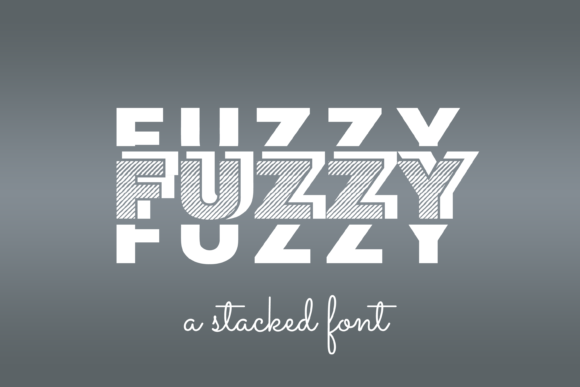
Fuzzy is a display font that brings a soft, approachable, and modern feel to digital projects. Its unique design balances charm with clarity, making it an excellent choice for web designers looking to add character without sacrificing readability. Whether you're building a brand identity, crafting a landing page, or designing a social media graphic, Fuzzy offers a versatile and stylish solution.
What Makes Fuzzy Stand Out?
Fuzzy is a display font with a friendly, slightly rounded aesthetic that feels both contemporary and inviting. Its letterforms are designed with gentle curves and subtle variations, giving it a handcrafted look while maintaining strong legibility. This makes it ideal for use in environments where visual appeal and functional typography intersect.
The font’s personality is warm and approachable, which aligns well with brands that want to convey creativity, playfulness, or a personal touch. It's not just for decorative purposes—it can serve as a primary typeface in many digital contexts when used thoughtfully.
Where to Use Fuzzy in Your Digital Projects
Fuzzy shines in areas of the web that require attention-grabbing text. Here are some practical applications:
- Hero sections: Use Fuzzy for headers that draw users in immediately.
- Call-to-action buttons: The font's boldness and friendliness make it great for encouraging clicks.
- Logo design: Its stylized appearance can be a strong visual anchor for creative brands.
- Blog headers: Add a touch of personality to your content without overwhelming readers.
- Online store banners: Fuzzy can help create a welcoming atmosphere for e-commerce sites.
- Portfolio websites: It adds a modern edge to creative profiles and project showcases.
When pairing Fuzzy with other fonts, consider balancing its decorative nature with more neutral options like sans-serif or serif fonts for body text. This ensures a clean layout that maintains focus on the content while still allowing Fuzzy to stand out in key areas.
Readability and Visual Hierarchy
While Fuzzy is a display font, its readability is one of its strongest assets. It performs well at various sizes, especially when used in larger text formats such as headings and titles. However, it's important to test its legibility on smaller screens and in low-contrast settings to ensure it remains clear and easy to read.
For mobile responsiveness, always pair Fuzzy with a reliable fallback font. This ensures that even if the webfont fails to load, the text remains readable. Additionally, using appropriate line spacing and letter spacing can enhance the font's performance in tight layouts.
On dark backgrounds, Fuzzy works particularly well when paired with light-colored text. This contrast helps maintain readability and visual balance. Conversely, on light backgrounds, it's best to use darker shades to avoid eye strain and keep the text sharp.
Brand Identity and User Engagement
Fuzzy can significantly impact how a brand is perceived. Its friendly and approachable style is perfect for brands that want to build trust and connection with their audience. When used consistently across a website or digital product, it reinforces brand identity and creates a cohesive user experience.
For conversion-focused layouts, Fuzzy can be a powerful tool. Its ability to draw attention and create emotional resonance makes it ideal for headlines, promotions, and promotional copy. By leveraging its visual appeal, designers can guide users through the conversion funnel more effectively.
Additionally, Fuzzy's versatility allows it to adapt to different brand tones. Whether you're designing a minimalist portfolio or a vibrant online store, this font can be tailored to fit the overall aesthetic of your project.
Font Pairing and Design Assets
When considering font pairing, think about the purpose and tone of your design. For example, pairing Fuzzy with a clean sans-serif font like Montserrat or Open Sans can create a balanced layout that emphasizes both style and functionality.
If you're working on a brand kit or digital asset pack, make sure to include alternate weights and styles if available. This gives you more flexibility in different design scenarios. Also, check for multilingual support if your target audience includes non-English speakers.
Always verify that the font includes webfont formats (such as WOFF or WOFF2) for seamless integration into your projects. These formats ensure that Fuzzy loads quickly and reliably across all devices and platforms.
Commercial Font Licensing
When using Fuzzy in commercial projects—whether for a client, a website, or an online store—it's essential to review the licensing terms. Most premium fonts come with commercial use rights, but always double-check the license agreement to ensure compliance.
Fonts like Fuzzy are often included in design asset packs or font libraries that cater specifically to web designers and digital creators. These resources provide everything you need to implement the font effectively in your projects.
By choosing Fuzzy, you're not just selecting a font—you're investing in a tool that enhances both the aesthetics and functionality of your digital work. With its balance of style and usability, Fuzzy is a valuable addition to any designer's toolkit.