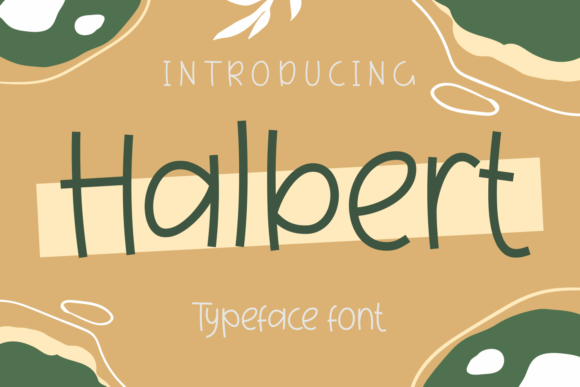
Halbert: A Display Font for Dynamic Web Design
The Role of Typography in Digital Branding
In the world of web design, typography is more than just aesthetics—it’s a strategic element that shapes user experience, brand identity, and conversion rates. Choosing the right font can make or break a digital layout, influencing how users perceive your brand and interact with your content. Halbert, a chic and quirky display font, stands out as a versatile tool for designers looking to create visually engaging and readable web experiences.
What Makes Halbert Unique
Halbert is a display font designed with a playful yet refined personality. Its clean lines and bold strokes offer a modern aesthetic that feels both approachable and professional. The font’s unique character set includes decorative elements that add visual interest without overwhelming the reader. Whether you're crafting a logo, designing a hero section, or building a landing page, Halbert brings a fresh perspective to your typographic choices.
One of the standout features of Halbert is its PUA encoding, which allows access to all glyphs and alternate characters. This makes it highly adaptable for various use cases, from branding to creative content. Its versatility ensures that it can be used in a wide range of digital contexts without sacrificing readability or style.
Using Halbert in Web Design Layouts
Halbert shines in areas where attention-grabbing typography is essential. It works exceptionally well for website headers, hero sections, and call-to-action buttons. Its bold presence helps draw the eye to key messages, making it ideal for creating a strong first impression on any webpage.
For online stores and product pages, Halbert can be used to highlight product names, promotions, or special offers. When paired with a clean sans-serif body font, it creates a balance between visual appeal and readability. This combination ensures that your content remains accessible while still standing out in a crowded digital space.
On blog headers and social media graphics, Halbert adds a touch of creativity and personality. Its quirky nature aligns well with brands that want to convey a sense of fun and innovation. Whether you're designing a portfolio site or a course sales page, Halbert can help reinforce your brand's voice and tone.
Readability and Visual Hierarchy
While Halbert is a display font, it maintains a level of readability that makes it suitable for both large and small text sizes. On mobile screens, its clear letterforms ensure that content remains legible even at smaller resolutions. This is particularly important for responsive layouts where text needs to adapt seamlessly across devices.
When using Halbert in headings, it’s crucial to pair it with a complementary body font that supports readability. A simple sans-serif or serif font can provide contrast and ensure that the overall layout remains balanced. This pairing strategy is especially effective for editorial design, packaging design, and brand kits where consistency is key.
For buttons and short phrases, Halbert’s bold weight and distinctive shape make it an excellent choice. It adds visual impact without compromising clarity, helping to guide users through the conversion funnel. In dark backgrounds or image overlays, its high contrast ensures that text remains visible and easy to read.
Font Pairing and Brand Identity
Font pairing is a critical aspect of modern typography, and Halbert offers great flexibility in this regard. When used alongside a clean sans-serif or serif font, it enhances the overall design without overpowering the layout. This makes it ideal for creating a cohesive brand identity that feels both professional and stylish.
For example, a boutique online store might use Halbert for product titles and promotional banners, while a minimalist blog could use it for headers and social media graphics. The font’s adaptability allows it to fit into a wide range of design styles, from modern minimalism to vibrant, creative branding.
When considering commercial font licensing, it’s important to ensure that Halbert is available in the required file formats and that you have the necessary permissions for use in client projects, online stores, and digital templates. Checking for multilingual support and alternates can also enhance its usability across different markets and audiences.
Practical Applications of Halbert
- Creative Portfolio Sites: Use Halbert for project titles and taglines to showcase your design skills in a visually appealing way.
- Boutique Online Stores: Highlight product names and special offers with Halbert to create a memorable shopping experience.
- Coaching Websites: Employ Halbert for headlines and course titles to reflect a dynamic and engaging brand personality.
- Product Landing Pages: Utilize Halbert for hero sections and CTA buttons to drive user engagement and conversions.
- Blog Headers: Add a unique touch to your blog with Halbert’s playful style, reinforcing your brand’s creative identity.
- Digital Brand Kits: Integrate Halbert into your brand assets for consistent and impactful visual communication.
By incorporating Halbert into your design toolkit, you can elevate your web projects with a font that balances style, functionality, and brand alignment. Whether you’re building a new website, redesigning an online store, or creating digital marketing materials, Halbert offers a compelling solution for modern web design needs.